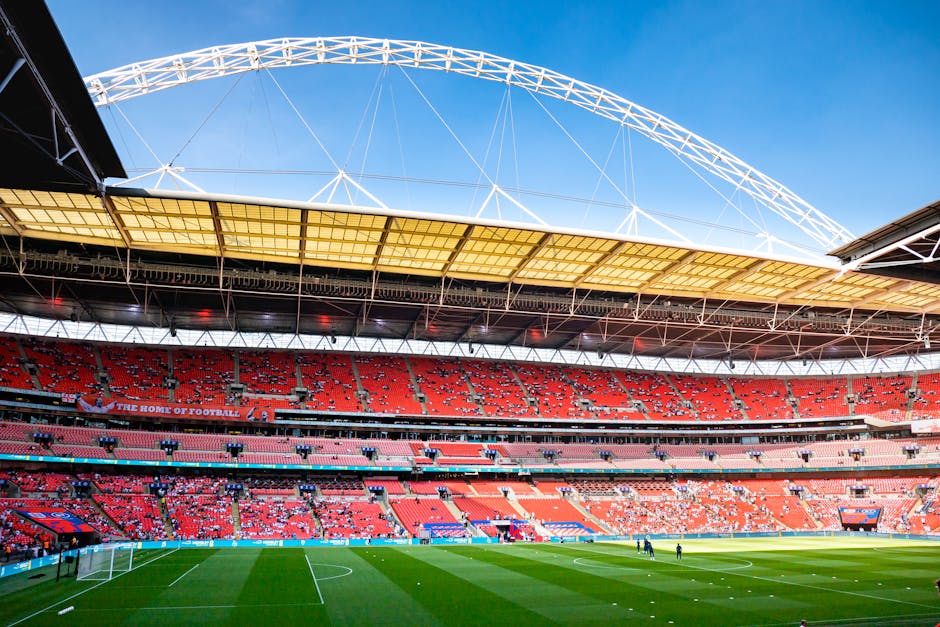
Gardeners for Wembley Stadium area patios and yards: a practical guide to cleaner, safer, better-looking outdoor spaces
If you are looking for Gardeners for Wembley Stadium area patios and yards, you are probably dealing with one of three things: an outdoor space that has become a bit unruly, a patio that never quite looks "finished", or a yard that needs regular care but keeps slipping down the list. That is normal. In busy parts of Wembley, outside areas often work hard and get neglected at the same time.
This guide explains what professional garden care typically involves, why it matters around Wembley Stadium, how the work is usually planned, and what to expect if you are comparing options for patios, yards, and small outdoor spaces. It also covers the practical bits people forget to ask about - access, waste handling, timing, safety, and the difference between a quick tidy-up and proper ongoing maintenance. Truth be told, that last part saves a lot of frustration.
For a broader view of what a local team can handle, it can also help to look at the services overview and, if you need regular upkeep, the page on garden maintenance.
Table of Contents
- Why Gardeners for Wembley Stadium area patios and yards Matters
- How Gardeners for Wembley Stadium area patios and yards Works
- Key Benefits and Practical Advantages
- Who This Is For and When It Makes Sense
- Step-by-Step Guidance
- Expert Tips for Better Results
- Common Mistakes to Avoid
- Tools, Resources and Recommendations
- Law, Compliance, Standards, or Best Practice
- Options, Methods, or Comparison Table
- Case Study or Real-World Example
- Practical Checklist
- Conclusion
- Frequently Asked Questions
Why Gardeners for Wembley Stadium area patios and yards Matters
Patios and yards may be smaller than front gardens or large landscaped plots, but they often carry more day-to-day responsibility. They are the spaces where people walk, store bins, move furniture, hang washing, let pets out, or try to carve out a bit of calm between the noise of everyday life. Around Wembley Stadium, that matters even more because outdoor areas can pick up dirt, foot traffic, litter, shade issues, and general wear more quickly than you expect.
A patio that is left alone can become slippery, stained, or cluttered with moss and fallen leaves. A yard can drift from "slightly untidy" to "I really should do something about this" without much warning. And once that happens, it takes more than a quick sweep to bring things back. You need proper garden care, not just a token tidy. A good gardener understands that difference straight away.
There is also the local reality of space. Wembley homes and properties near the stadium often have compact gardens, paved yards, side returns, or mixed-use outdoor spaces. These layouts can be awkward. They need a practical eye. Not everything is about planting beds and borders; sometimes it is about drainage, edge definition, hard surface cleaning, and making a small area feel deliberate rather than cramped.
Expert summary: If your patio or yard is used often, regular maintenance is usually more valuable than occasional big clean-ups. Small jobs done consistently tend to protect surfaces, improve safety, and keep the space usable all year round.
How Gardeners for Wembley Stadium area patios and yards Works
In simple terms, the work begins with assessing what the outdoor space actually needs. That sounds obvious, but it is where a lot of rushed jobs go wrong. A patio may need washing, weed removal, re-sanding, and a reset of the edges. A yard might need clearance, pruning, lawn work, hedge trimming, or a combination of all four. The right approach depends on the surface, the condition, and how the space is used.
For example, if a yard has become overgrown and cluttered, a team might start with clearance and cutting back, then move to the finer details such as edging and waste removal. If the area is mostly paved, the job may focus on cleaning, moss control, and making sure water drains properly. If there is a mix of shrubs, paving, and timber features, then the sequence matters even more. It is not glamorous work, but it is the kind that makes everything else look better.
Many homeowners and landlords choose to combine several services in one visit. That can include lawn mowing, hedge trimming, and garden clearance, depending on what has built up. If the space has a bigger redesign in mind, landscaping support may be more suitable than simple maintenance.
There is also a practical scheduling side. Some jobs are one-off, especially if you are preparing a property for sale, handover, or a family event. Others are recurring. In our experience, regular visits are often easier on both the budget and the garden itself. Less drama. Less mess. More breathing room.
Key Benefits and Practical Advantages
Hiring experienced gardeners for patios and yards is not just about making things look neat for a day. The real value is broader than that.
- Better safety: Moss, algae, loose debris, and uneven growth can make patios and yard paths slippery or awkward underfoot.
- More usable space: A clean, organised outdoor area feels bigger and works harder for everyday life.
- Lower long-term maintenance: Catching weeds, overgrowth, and drainage issues early usually prevents bigger repair bills later.
- Improved presentation: Whether you are welcoming guests or simply want a calmer view from the kitchen window, tidy outdoor spaces make a difference.
- Healthier planting: If your yard includes pots, borders, or climbing plants, good maintenance supports stronger growth and reduces neglect.
- Less stress: Let's face it, a garden task that sits undone for months becomes a mental burden as much as a visual one.
There is also the practical benefit of consistency. A patio that is cleaned and checked regularly tends to hold up better than one that only gets attention after weeds have pushed through the joints. Same with small yards: if edges are maintained and waste is removed promptly, the whole space feels less tired. Not a miracle. Just good care, done properly.
Who This Is For and When It Makes Sense
This service is useful for a surprisingly wide range of people. It is not just for homeowners with a large garden. In fact, the people who benefit most are often those with compact, high-use outdoor spaces where every square metre needs to earn its keep.
- Homeowners who want a patio or yard to stay clean, safe, and pleasant without losing weekends to maintenance.
- Landlords and letting agents who need outdoor areas brought up to a presentable standard before new tenants move in.
- Busy families who use the yard for practical storage, children, pets, or outdoor eating and need it to stay functional.
- Older residents who may prefer professional help with heavier tasks, slippery surfaces, or recurring upkeep.
- Businesses and property managers responsible for small external spaces around entrances, courtyards, or shared yards.
It makes sense to bring in help when a space starts taking more effort than you can reasonably keep up with. That could be after a wet season, after long holiday periods, or simply because the garden has been left alone for too long. A lot of people wait until there is a problem. To be fair, that is human. But early action is usually cheaper and easier.
If you are unsure whether your space needs light maintenance or a fuller reset, it may help to compare with the kind of work offered under landscape gardening or broader landscaping support.
Step-by-Step Guidance
If you are planning garden work for a Wembley-area patio or yard, here is a simple way to think about the process.
- Walk the space slowly. Look for weeds, moss, broken slabs, standing water, overgrown edges, bin clutter, and anything that blocks access.
- Decide what the priority is. Is it presentation, safety, usability, or all three? That answer changes the job brief.
- Separate the area into tasks. For example: clear debris, trim growth, mow if needed, clean hard surfaces, then finish the edges.
- Choose the right service mix. A yard may need garden maintenance and lawn mowing; a neglected patio may need cleaning and clearance first.
- Check access and disposal. Make sure there is a clear route for tools and waste. That sounds small, but it can save time and damage.
- Agree the finish standard. "Tidy" can mean different things to different people. Say what good looks like.
- Plan follow-up care. If the space has been reclaimed from a poor state, maintenance is what keeps it that way.
A small but useful detail: if you have pots, furniture, or storage units on the patio, moving them before the work starts can make a huge difference. The first half-hour can otherwise disappear into "where do you want this chair?" territory. Nobody wants that.
If tree growth is crowding the yard or dropping debris onto the hard landscaping, the team may also recommend tree lopping and removal where appropriate and safe.
Expert Tips for Better Results
Good garden results are often about small, boring habits. That is the honest version. Not the flashy version, but the useful one.
- Keep edges sharp. Clean edges make patios and yards look cared for even when planting is minimal.
- Do not ignore drainage. If water pools after rain, the surface will keep degrading. Fix the cause, not just the mess.
- Match plant choice to the space. In a shaded yard, choose plants that tolerate lower light rather than fighting the site.
- Use regular light cleans instead of rare deep cleans. Once grime settles into paving, it is harder to shift.
- Keep a clear maintenance rhythm. Even a modest monthly visit can stop the space slipping backwards.
- Think about how the space is used. A yard for bin storage needs a different layout from a patio used for meals or quiet seating.
One thing people often overlook is surface finish. A rough, weathered patio edge can catch dirt and growth faster than a smooth, well-kept one. Likewise, old grout lines or jointing can make weeds return sooner. You do not need to obsess over every detail, but the details do add up.
If you are aiming for a more polished outdoor finish, the right decking or hardscape elements can also support the overall look. The page on decking services is useful if your patio area includes timber features or an adjacent raised platform.
Common Mistakes to Avoid
Patio and yard care looks straightforward until one of the easy mistakes bites you. The good news? Most of them are avoidable.
- Only cleaning the visible surface. If weeds are rooted in joints or edges, they will return.
- Using the wrong pressure or tools. Too much force can damage paving or drive water into places it should not go.
- Ignoring overgrowth at the boundary. Fences, hedges, and side access areas often make a space feel messy long before the main patio does.
- Leaving waste behind. A tidy cut can still look unfinished if green waste and debris are not removed.
- Trying to do everything in one go without a plan. That is how jobs become exhausting and half-finished.
- Forgetting the season. A yard that looks fine in a dry spell can reveal drainage or moss issues after a week of rain.
Another common one: people assume a patio only needs attention when it looks bad. In reality, the early signs are quieter - a slight green tint, a few weeds in the corners, or a bit of grit that keeps showing up after every windy day. Catching those signs early is much easier.
Tools, Resources and Recommendations
You do not need a shed full of specialist gear to manage a patio or yard well, but the right tools do make a difference. For many households, the best approach is a mix of sensible basics and professional help when needed.
| Task | Useful tools or support | Why it helps |
|---|---|---|
| Regular upkeep | Broom, hand weeding tools, secateurs, garden waste bags | Keeps small jobs under control before they grow into bigger ones |
| Patio care | Suitable cleaning equipment, weed removal tools, edging tools | Improves presentation without damaging the surface |
| Yard clearance | Waste removal support, pruning tools, heavy-duty gloves | Useful when the space has been neglected or cluttered |
| Ongoing improvement | Professional garden clearance and recurring maintenance | Helps keep the space stable after the initial clean-up |
One recommendation that sounds plain but works well: keep a short seasonal list rather than a giant "garden jobs" list. For example, one month focus on patio weeds and edges, the next on hedges or lawn touch-ups. It feels less overwhelming, and somehow gets done more often.
If you want to understand how services are grouped and maintained, the page on services overview is a sensible starting point. For payment, quoting, and practical terms, it may also be worth reading the company's pricing and quotes information and terms and conditions.
Law, Compliance, Standards, or Best Practice
For patios and yards, the main compliance issues are usually practical rather than dramatic. The key points are safety, waste handling, access, and working in a way that avoids damage or unnecessary risk. If a site has shared access, narrow paths, fragile surfaces, or awkward overhead growth, sensible working methods matter a lot.
In the UK, good practice typically means using appropriate equipment, handling waste responsibly, and avoiding unsafe work at height or with unstable trees. A reputable provider should also be able to explain how they approach safety, insurance, and site conduct in clear language. That is exactly the sort of thing worth checking before work starts, not after.
If you are hiring anyone for outside work, it is reasonable to ask how they manage risk, what happens to green waste, and whether their process is covered by suitable insurance. The pages on insurance and safety and health and safety policy are useful for understanding the standards behind the service. If sustainability matters to you, the recycling and sustainability page is worth a look too.
There is no need to overcomplicate this. Just ask sensible questions, expect clear answers, and avoid anyone who seems vague about waste, access, or safety. Small job, yes. Small standards, no.
Options, Methods, or Comparison Table
There are usually three broad ways to handle patios and yards: do it yourself, book a one-off tidy, or arrange regular maintenance. Each has a place.
| Option | Best for | Strengths | Limitations |
|---|---|---|---|
| DIY maintenance | Small, lightly used spaces | Low cost, flexible timing, simple tasks | Easy to delay, physically demanding, often inconsistent |
| One-off professional tidy | Overgrown, neglected, or event-ready spaces | Fast improvement, clear reset, less stress | Needs follow-up to stay looking good |
| Regular maintenance plan | Busy homes, rental properties, shared or high-use yards | Prevents decline, keeps surfaces and planting under control | Requires commitment and routine |
For a lot of Wembley properties, the smartest answer is a blend: a proper initial tidy, then lighter recurring visits. That approach tends to work particularly well where the patio is heavily used and the yard is more functional than decorative. Not fancy. Effective.
Case Study or Real-World Example
Imagine a modest rear yard near Wembley Stadium: paved in parts, with a narrow strip of tired planting, a few stubborn weeds in the joints, and enough clutter around the edges to make the whole area feel smaller than it is. Nothing dramatic. Just one of those spaces that slowly starts to look neglected.
A sensible service plan would likely begin with clearance. Anything loose comes out first: dead leaves, broken pots, old cuttings, general debris. Next, the paving gets attention, along with the border edges and any overgrown growth that is spilling into the walking area. If the yard includes lawn at one end, light mowing and edging may be needed too. If a hedge is leaning into the space, that gets trimmed back. If the garden has been left for a while, the difference after the first visit can be striking.
The part people notice most is usually not one dramatic feature. It is the feeling. The space smells cleaner after wet debris is removed, the paving looks brighter in daylight, and you can actually move through it without weaving around obstacles. By the second or third visit, the yard stops feeling like a chore and starts feeling usable again.
That is the real goal, after all. Not perfection. Just a space that works.
Practical Checklist
Use this before booking work for a patio or yard, or before starting on it yourself.
- Check whether the space needs a tidy, a clearance, or ongoing maintenance.
- Identify slippery areas, pooling water, broken surfaces, or trip hazards.
- Note any hedges, shrubs, trees, or lawn sections that affect the patio or yard.
- Move lightweight furniture, pots, and storage items if access will be needed.
- Decide what result you want: presentable, functional, event-ready, or fully refreshed.
- Ask how waste will be removed and where it will go.
- Confirm whether the work includes edging, clearing, trimming, and surface finishing.
- Check whether recurring visits would be more effective than one-off work.
- Review any access, parking, or timing constraints before the job day.
- Make sure the provider is clear about safety, insurance, and expectations.
If you want a quick next step, it can help to browse the about us page for a sense of the team's approach, then move on to contact us when you are ready to discuss the space in more detail.
Conclusion
Patios and yards around Wembley Stadium can be surprisingly demanding spaces. They are often small, busy, exposed to constant use, and easy to neglect until the job feels bigger than it should. The good news is that with the right gardener, those spaces become manageable again. Cleaner surfaces, safer access, better edges, less clutter, less worry. Simple things, but they change how a home feels.
Whether you need a one-off reset or ongoing support, the best results usually come from clear priorities, proper waste handling, and a maintenance plan that fits real life. If the space is awkward, uneven, or just a bit past its best, that is not unusual. It just needs a steady hand and a sensible plan. And honestly, once it is done, you notice it every time you step outside.
Get a free quote today and see how much you can save.
Sometimes the smallest outdoor improvements make the whole place feel calmer. That is worth doing, isn't it?
Frequently Asked Questions
What do gardeners for Wembley Stadium area patios and yards usually do?
They usually handle a mix of clearing, trimming, mowing, edging, weed removal, and general tidy-up work. For patios, that can include surface care and removing built-up debris. For yards, it often means making the space safe, neat, and easier to maintain.
How often should a patio or yard be maintained?
That depends on how heavily it is used and how quickly it grows or collects debris. Many spaces benefit from regular light maintenance rather than waiting for a full clean-up. In shaded or high-traffic areas, more frequent visits often make sense.
Is garden clearance the same as garden maintenance?
Not quite. Garden clearance is usually a bigger, one-off job to remove overgrowth, clutter, and waste. Garden maintenance is the ongoing work that keeps the space tidy after the first reset. They work well together, but they are not the same thing.
Can a small yard still need professional help?
Absolutely. Small yards can be more awkward than larger gardens because every corner is visible and every job affects the whole space. If access is tight, the surface is tricky, or the area is used often, professional help can save time and frustration.
What should I ask before booking garden work?
Ask what is included, how waste is handled, whether the job is one-off or ongoing, and how the provider manages safety and access. It is also worth asking how they define the final finish so expectations match reality. Clear questions usually lead to smoother work.
Do patios need maintenance even if they are mostly paved?
Yes, they usually do. Paved areas still collect moss, weeds, dirt, and stains, and they can become slippery or unattractive if ignored. A patio may look low-maintenance, but it rarely stays good by accident.
What if my yard has overgrown hedges or trees?
That is common enough. A yard can feel crowded very quickly if hedges or trees are hanging into the space. In those cases, services such as hedge trimming or tree work may be needed alongside the main tidy-up.
How do I know whether I need landscaping or just maintenance?
If the space mainly needs care, cleaning, cutting back, and tidying, maintenance is probably the right fit. If you want to change the layout, improve the structure, add features, or redesign the area, landscaping is more appropriate.
What is the best way to keep a yard looking good after a tidy-up?
Use small, regular visits. Keep on top of weeds, edges, and debris before they build up again. A little routine work is much easier than letting everything drift for months and then starting over. That is the honest truth.
Are there any safety concerns with patio and yard work?
Yes, especially where surfaces are slippery, access is tight, or waste and tools need to be moved carefully. Good providers should work safely, use appropriate equipment, and explain how they handle risk. If something feels vague, it is reasonable to ask more questions.
How do I choose between one-off work and a regular plan?
If the space is badly overgrown or neglected, start with a one-off reset. If it tends to slip back quickly, or if you want a neat result all year round, regular maintenance is usually better value. The right choice depends on how you use the space and how much time you have.
Where can I find more information about services and standards?
You can start with the services overview, then review insurance and safety, health and safety policy, and recycling and sustainability for a fuller picture of how the work is handled.