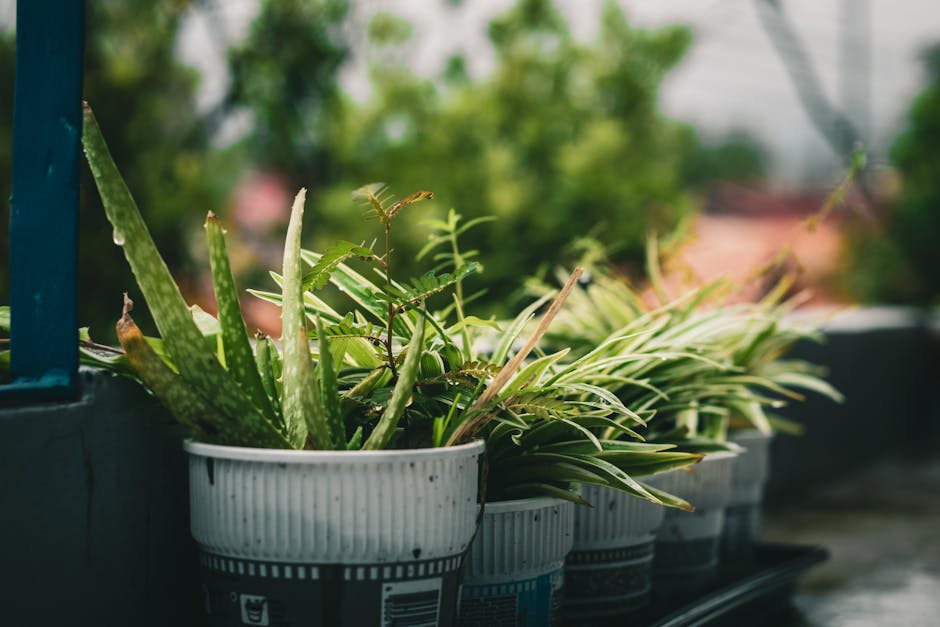
Wembley Park gardeners for balcony planters and containers: a practical guide for greener, easier outdoor spaces
If you live in a flat or apartment, a balcony can feel like a tiny luxury and a tiny headache at the same time. You want it to look inviting, not cluttered. You want plants that actually survive the wind, the shade, the summer heat, and the odd forgotten watering. That is exactly where Wembley Park gardeners for balcony planters and containers can make life much easier.
With the right planting plan, a balcony becomes more than a place to store a chair and a broom. It can be a calm morning coffee spot, a summer herb corner, or a small private retreat above the street. This guide walks through what balcony planter and container gardening involves, why it matters, how it works, and how to avoid the common mistakes that ruin so many otherwise promising setups.
You will also find a step-by-step process, practical examples, a comparison table, and a useful checklist. No fluff. Just the sort of grounded advice that helps you get better results, whether you are refreshing a few pots or planning a complete balcony makeover.
Why Wembley Park gardeners for balcony planters and containers matters
Balcony planting sounds simple until you try it. Then the realities show up: limited space, exposure to wind, shallow soil, drainage issues, weight limits, and a layout that has to work around doors, railings, neighbours, and your own daily routine. In a busy part of London, those little details matter more than people expect.
Wembley Park gardeners who understand balcony planters and containers bring a practical eye to the job. They are not just selecting nice-looking plants. They are thinking about light levels, container size, water retention, maintenance time, and how the whole arrangement will look from inside your home as well as from outside. That dual viewpoint is easy to miss, but it makes a huge difference.
There is also the simple fact that balconies age quickly if they are ignored. Pots dry out, compost becomes tired, leaves go crispy, and a once-cheerful planting scheme can start looking sad within a season. A good maintenance routine keeps things fresh. A better one stops the decline before it begins.
For many residents, balcony gardening is about more than decoration. It can support herbs for cooking, pollinator-friendly flowers, privacy screening, and a more restful space overall. Truth be told, a well-planted balcony can change how a flat feels. Not dramatic, just noticeably better. You look out in the morning and the place feels lived-in and cared for.
If your broader outdoor space needs more than container care, it can help to understand the full range of services available through the services overview, especially where balcony planting sits alongside ongoing upkeep or wider exterior improvements.
How Wembley Park gardeners for balcony planters and containers works
The process usually starts with a conversation about the space, the light, and how you want the balcony to feel. That sounds basic, but it is where good work begins. Are you after low-maintenance greenery? A structured look with evergreen interest? A burst of seasonal colour? Or a mix of edible and decorative planting?
From there, the gardener will normally assess a few practical points:
- How much sun or shade the balcony receives across the day
- How exposed it is to wind and drying conditions
- What size and type of containers will suit the available floor space
- Whether the balcony surface needs protection from water runoff
- How often the planting can realistically be watered and maintained
Once those basics are clear, the planting plan can be built around them. That might mean choosing tough, compact plants for a high and windy balcony, or moisture-loving herbs for a sheltered space that catches morning sun. The container itself matters too. A lightweight pot with poor drainage is not a clever bargain. It is just a future problem with a nice shape.
Good balcony gardeners also think about seasonality. A summer display may look glorious in July but sparse in November. That is why many people choose a blend of permanent structure and changeable colour. Evergreen foliage gives the arrangement a backbone, while seasonal plants keep it lively.
In many cases, the work is not a one-off. It may include planting, staking, tidying, feeding, deadheading, and occasional replacement of tired specimens. If you want the result to last, ongoing care is part of the deal. A balcony is not quite a garden, but it behaves like one in all the annoying ways.
Key benefits and practical advantages
The benefits are more than aesthetic, although let's be honest, a nicer-looking balcony is already a strong reason. The real value comes from making a small space usable, resilient, and simple to enjoy.
- Better use of small spaces: Containers let you create structure without losing floor area.
- Flexible design: Pots can be moved, swapped, and refreshed much more easily than fixed planting.
- Lower commitment than a full garden: If you rent or expect to move, containers are far easier to take with you.
- More control over soil and drainage: That matters in urban settings where balcony conditions can be tricky.
- Year-round appeal: With the right mix, the balcony still looks good in colder months.
- Reduced maintenance stress: A well-planned container scheme is much easier to look after than a badly chosen one.
Another advantage people overlook is consistency. When the planting is planned properly, you do not get the common stop-start cycle of enthusiasm followed by disappointment. Instead of "I'll fix that next weekend" becoming a three-month problem, you get a setup that is built to be manageable from the beginning.
There is also the mental side of it. A small leafy corner can soften a concrete view, reduce the harshness of a balcony edge, and make even a compact flat feel calmer. It is a modest transformation, but a real one.
Expert summary: The best balcony planter schemes are not the busiest or the most expensive. They are the ones matched to the light, the wind, the weight limits, and the amount of care you can genuinely give week to week.
Who this is for and when it makes sense
This service makes sense for a wide range of residents in Wembley Park, especially if your outdoor space is small, exposed, or just not performing the way you hoped it would.
You may be a good fit if:
- You live in a flat or apartment with a balcony or terrace
- You want planters that look good without demanding constant attention
- You have inherited a tired or messy container setup
- You want seasonal planting for colour, fragrance, or herbs
- You need a more polished look for entertaining or everyday use
- You are not sure which plants will actually survive in your conditions
It is also sensible if you have tried doing it yourself and found that the results were patchy. That happens more often than people admit. The pot looks great at the garden centre, then it arrives on a windy fifth-floor balcony and suddenly the whole thing behaves differently. Not ideal.
There are times when professional help is especially useful. For example, after a clear-out, after move-in, before summer, before guests arrive, or when a balcony has become an awkward mix of old pots, broken trays, and plants that are hanging on by a thread. In those moments, a proper reset can feel surprisingly satisfying.
If you are also dealing with clutter, dead planting, or old containers that need removing before you start again, a broader tidy-up may help. In that case, it can be useful to look at garden clearance support as part of the preparation stage.
Step-by-step guidance
Here is the most sensible way to approach balcony planters and container gardening without overcomplicating it.
1. Start with the conditions, not the plant list
First, check the light. Does the balcony get full sun, bright shade, or mostly shade? Then look at wind exposure. Some balconies sit in a sheltered pocket; others catch every gust and dry out fast. These two factors decide far more than fashion does.
2. Decide what the balcony needs to do
Do you want privacy, scent, vegetables, colour, or a calm green backdrop? Be honest here. A balcony that tries to do everything often ends up doing none of it well.
3. Choose containers with the right proportions
Shallow planters can work for some bedding plants, but many balcony plants do better in deeper containers that hold moisture more reliably. Weight is a consideration too. Heavy terracotta has its place, but on some balconies lighter materials are simply more practical.
4. Use proper drainage
Pots need drainage holes. That is non-negotiable. If water sits at the bottom, roots suffer, and then the plant starts sulking. Drainage trays, pot feet, or raised stands can also protect the balcony surface from staining and waterlogging.
5. Select plants that suit the site
For sunny balconies, herbs, grasses, compact flowering plants, and drought-tolerant species often perform well. For shaded balconies, foliage plants, ferns, and shade-tolerant seasonal colour may be better. Evergreen structure helps in both cases.
6. Plant for layered effect
Think in layers: tall, medium, trailing. That gives depth and avoids the flat, "single row of pots" look that can feel a bit accidental. Even one or two cascading plants can soften edges and make the whole arrangement feel more intentional.
7. Set a care routine
Watering, feeding, deadheading, and light pruning are what keep the scheme looking alive. If you travel often or dislike maintenance, choose accordingly. Better to have a slightly simpler scheme you can keep going than a complicated one that falls apart by mid-June.
8. Review and refresh seasonally
Containers are at their best when they are updated through the year. Some plants need replacing, some can be cut back, and others may just need a bit of reshuffling. A seasonal refresh keeps the balcony from looking tired.
Expert tips for better results
These are the small decisions that separate a decent balcony from one that really works.
- Use bigger pots than you think you need. Larger containers hold moisture more steadily and give roots room to breathe.
- Group plants by watering needs. It sounds simple, but it saves time and prevents one plant from being either drowned or parched.
- Anchor the scheme visually. One larger container can stop the space looking like a scattered collection of bits and pieces.
- Protect against wind. Taller plants and lightweight pots need shelter or support on many balconies.
- Keep the palette tight. Two or three colours often look better than a noisy mix of everything under the sun.
- Don't forget the view from inside. A balcony is usually seen through glass most often, not just stood in. The inside-out view matters.
One useful habit is to stand at the balcony door and look out before buying anything else. That single moment can tell you more than a trolley full of impulse purchases. Where does the eye land first? What feels crowded? What feels bare? That quick check saves money and a few regrets.
If your balcony sits alongside decking or a larger terrace area, the planting should be planned with the surrounding surfaces in mind. A tidy, coherent finish often depends on the relationship between containers and hard landscaping, not just the plants themselves. For wider outdoor improvements, you may also want to review landscaping options or the more specific decking services.
Common mistakes to avoid
Most balcony planting problems are not mysterious. They are usually one of these.
- Choosing plants for looks only. A plant that loves a sheltered border may not enjoy a windy fifth-floor balcony.
- Using containers that are too small. Tiny pots dry out fast and leave roots cramped.
- Ignoring wind exposure. This is one of the biggest causes of torn leaves, toppled pots, and drying stress.
- Overcrowding the space. Too many pots can make the balcony awkward to use and harder to maintain.
- Forgetting routine maintenance. A balcony looks tidy for a while, then things unravel if nobody deadheads, waters, or refreshes the planting.
- Letting water damage build up. Excess runoff, stained surfaces, and soggy mats can become a nuisance quickly.
- Mixing incompatible plants. Some want full sun and dry soil; others prefer more moisture. They should not be forced to share the same conditions.
There is also the temptation to buy lots of cheap pots and fill them later. That usually ends up with a mismatch of sizes, colours, and performance. A little restraint goes a long way here. Oddly enough, fewer better pieces often look more expensive.
Tools, resources and recommendations
You do not need a shed full of equipment for balcony containers, but a few basics make life easier.
- Watering can with a narrow spout: Easier to control on compact spaces
- Quality compost: Container plants rely on good growing medium more than most people realise
- Drainage trays or pot feet: Useful for protecting balcony surfaces
- Hand trowel and small fork: Handy for planting and top-ups
- Pruners or snips: Essential for deadheading and trimming
- Slow-release feed or liquid plant food: Helpful for keeping containers healthy
- Lightweight moving aids: Useful if pots need repositioning across the season
When choosing plants, it helps to think in categories rather than single favourites. For example: trailing plants for softness, upright plants for structure, herbs for function, and seasonal flowers for colour. That way, the final arrangement feels balanced instead of random.
If you want a cleaner start before installing new containers, or if the balcony currently has old clutter in the way, the team's garden maintenance service can be a sensible way to keep everything in shape once the planting is in place.
And if sustainability matters to you, it should, there is value in reusing containers where safe, composting green waste where possible, and planning replacements carefully instead of discarding everything each season. The principle is simple: make the most of what you already have, then add only what genuinely improves the space.
For a broader look at responsible garden care and waste handling, see recycling and sustainability.
Law, compliance, standards and best practice
Balcony planters and containers are not usually a highly regulated topic, but there are still practical and safety considerations that matter. In London homes, especially flats and apartment blocks, the balcony itself may have management rules, lease conditions, or building-specific restrictions about loading, drainage, fire safety, and permitted fixtures. These vary, so it is wise to check before installing anything substantial.
Weight is one of the key points. Soil, water, ceramic pots, and mature plants can add up quickly. If you are unsure, keep to lighter materials and distribute weight evenly rather than clustering everything in one corner.
Drainage also deserves attention. Water should not repeatedly escape onto neighbouring balconies or stain communal surfaces. Good practice is to use trays, avoid overwatering, and keep the setup neat and contained.
There is also a simple responsibility piece: if a gardener is working on a balcony, safe access, secure movement of materials, and careful handling of pots all matter. Reputable providers will usually think through access and safety before getting started. If you want to understand how this kind of work is approached, it may help to review the company's insurance and safety information and health and safety policy.
Finally, if you are comparing providers, it is reasonable to ask how they handle deposits, payment terms, and quotes. Clear expectations reduce friction. You can also read more about pricing and quotes before making a decision.
Options, methods, or comparison table
Not every balcony needs the same approach. Here is a practical comparison of common container gardening methods.
| Method | Best for | Advantages | Watch-outs |
|---|---|---|---|
| Mixed decorative planters | Visual appeal and seasonal colour | Flexible, attractive, easy to refresh | Can become cluttered if overdone |
| Herb containers | Cooking and scent | Useful, compact, rewarding to harvest | Need steady light and watering |
| Evergreen structure pots | Year-round presence | Reliable shape and continuity through winter | Less dramatic than seasonal displays |
| Privacy planting | Screening and softness | Makes a balcony feel more secluded | Needs careful pot sizing and wind control |
| Low-maintenance mixed containers | Busy households or tenants | Simple care, more forgiving | May need occasional refresh |
In practice, many of the best balconies use a combination. A couple of evergreen anchors, a few softer flowering pieces, and one useful herb container can do a lot without turning maintenance into a part-time job. That balance is often the sweet spot.
Case study or real-world example
Here is a realistic scenario. A Wembley Park resident had a balcony with three mismatched plastic pots, one tired trailing plant, and a few dried stems that had clearly been meant to be dealt with last spring. The space felt neglected, even though it was technically usable.
The first step was not buying more plants. It was clearing the dead material, checking the light, and deciding what the balcony actually needed. The resident wanted privacy from a neighbouring window, some colour in the warmer months, and a setup that would not demand daily attention.
The result was a simple container scheme: one taller evergreen plant for structure, two medium planters with seasonal colour, and a compact herb pot near the door for easy access. The containers were arranged so the view from inside looked tidy and layered, while still leaving room to sit down with a cup of tea and open the door without knocking anything over.
The biggest change was not the plants themselves. It was the feeling of order. The balcony went from vaguely apologetic to genuinely useful. Small space, yes. But now it felt intentional. And that, more often than not, is what people really want.
If a balcony or small outdoor area needs a broader reset before planting can begin, it may also be worth considering clearance support as the starting point rather than treating planting as a rescue mission.
Practical checklist
Before you start or book help, run through this list.
- Have you checked the balcony's light and wind exposure?
- Do you know how much maintenance you can realistically keep up with?
- Have you chosen containers with proper drainage?
- Are the pots the right size for the plants?
- Will the layout still work if you want to sit, dry washing, or open the doors easily?
- Have you thought about privacy, colour, scent, or herbs as priorities?
- Are the materials light enough for the space?
- Do you have a watering plan for hot spells and holidays?
- Will the arrangement still look decent outside peak season?
- Have you checked any building or lease restrictions before installing larger items?
If you can tick most of those boxes, you are already ahead of the average balcony project. That sounds slightly smug, maybe, but it is true.
Conclusion
Wembley Park gardeners for balcony planters and containers can turn a compact, awkward, or underused balcony into a space that feels calmer, more useful, and much easier to enjoy. The best results come from matching plants and containers to the real conditions, not the ideal ones. Light, wind, drainage, access, and maintenance time all matter, and they matter more than glossy labels or trendy plant lists.
If you take one thing away from this guide, let it be this: good balcony planting is a small planning job that pays back every single day. A few right choices now can save a lot of frustration later. And if you want the space to stay attractive rather than just look good for a week or two, ongoing care makes all the difference.
Get a free quote today and see how much you can save.
For a friendly next step, you can also learn more about the team behind the work on the about us page or use the contact page when you are ready to talk through your balcony plans. Sometimes the smallest outdoor spaces need the most thoughtful touch, and that is no bad thing.
Frequently Asked Questions
What do Wembley Park gardeners for balcony planters and containers actually do?
They plan, plant, and maintain container displays that suit a balcony's conditions. That usually includes choosing containers, selecting suitable plants, arranging them well, and keeping them healthy through the seasons.
Can balcony planters work in a windy location?
Yes, but the planting needs to be chosen carefully. Wind-tolerant plants, heavier or well-balanced containers, and sensible positioning all help. A windy balcony is not a lost cause, just a little more demanding.
What are the best plants for balcony containers in Wembley Park?
The best plants depend on light and exposure. Sunny balconies often suit herbs, grasses, and compact flowering plants. Shadier balconies usually do better with foliage plants, ferns, and shade-tolerant seasonal colour.
How often do balcony containers need watering?
That depends on the weather, the size of the pot, the plant type, and the level of exposure. Smaller pots dry out faster, especially in warm or windy conditions. In summer, some containers may need attention daily.
Are lightweight containers a good idea?
Often, yes. Lightweight containers can be very practical for balconies, especially where weight or moving pots is a concern. Just make sure they still have proper drainage and enough depth for the plants you want to grow.
Can I grow herbs on a balcony?
Absolutely. Herbs are a popular choice because they are useful, compact, and smell lovely when brushed past. Basil, thyme, mint, chives, and rosemary are all common balcony candidates, depending on the light available.
How do I stop balcony pots from making a mess?
Use trays, pot feet, and proper drainage. Avoid overwatering, and make sure the containers are positioned so runoff does not create staining or puddles. A tidy setup starts with the right base, not just the right plants.
Do balcony planters need seasonal changes?
Usually they benefit from them. Some plants carry interest through the year, but many container schemes look best when they are refreshed seasonally. That might mean swapping tired plants, pruning, or adding colour for spring and summer.
Is it better to use a few large pots or lots of small ones?
Usually a few larger pots are easier to maintain and often look better visually. They hold moisture more steadily and create a calmer, more balanced arrangement. Lots of tiny pots can work, but they need more attention.
What if my balcony is mostly shaded?
Shaded balconies still have plenty of potential. The key is to use plants that prefer less direct sun and to avoid forcing sun-lovers into poor conditions. Shade is not a dead end. It just needs a different plan.
Can balcony planting be low maintenance?
Yes, if it is designed that way from the start. The trick is to choose resilient plants, use decent-sized containers, and avoid overly complicated arrangements. Low maintenance does not mean no maintenance, though. That would be wishful thinking.
How do I get started if my balcony is cluttered or tired?
Start with a clear-out and a fresh look at the space. Remove dead plants, old pots, and anything that no longer serves the layout. Once the area is reset, it becomes much easier to design something that actually works. For a simpler starting point, you can explore service options and decide what level of support fits best.
Is it worth hiring a professional gardener for a small balcony?
Often, yes. A small balcony can be more difficult than a bigger garden because every choice matters. Professional help can save time, reduce guesswork, and produce a cleaner, longer-lasting result. Sometimes a little expertise goes a long way.